
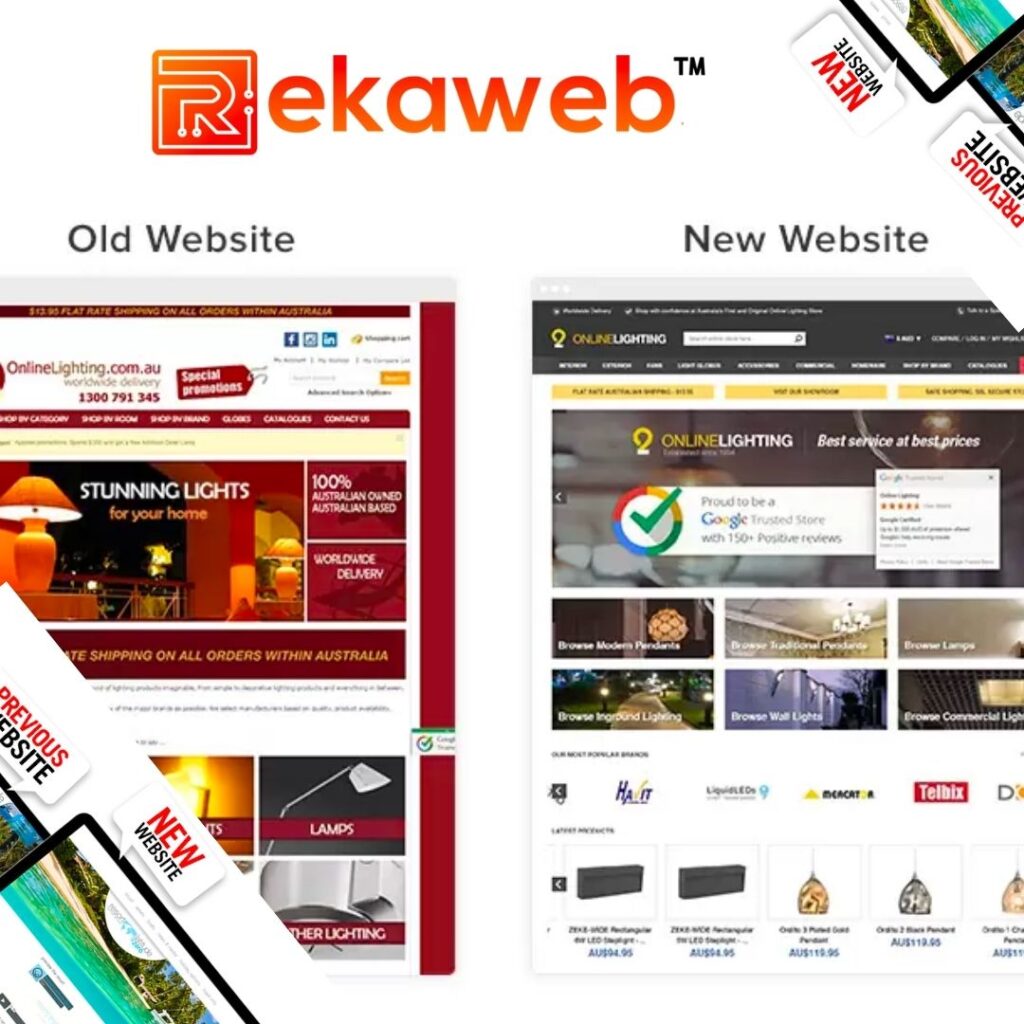
Why replace a website that has worked for years? It is easy to let a site age, and declining usefulness can happen gradually. Without reviewing design developments, you may not notice that the website has become outdated.
How can you tell it is time for a significant redesign? Here are ten signs that an ageing website may need a fresh start.
1. It Has Been Three Years or More Since the Last Major Update
Web design and technology change quickly. A website may benefit from a substantial review after around three years, even if it receives smaller updates in the meantime. Age alone is not a strict replacement rule.
2. Slow Page Loading
There is no rule that a website must be redesigned after three years. Other signs matter, and slow loading is a common problem on older websites.
People expect websites to respond quickly. If your site keeps them waiting, some visitors will leave rather than wait for your website to load.
3. An Outdated User Experience
User experience expectations have developed, and older templates may not reflect them. An outdated site can be harder to use. A suitable new template or tailored redesign can address common usability issues.
4. The Website No Longer Reflects Your Brand
Your brand may have evolved while the website stayed the same. Inconsistent branding across platforms can confuse customers. If the business presents itself as forward-looking but the site suggests otherwise, credibility may suffer.
5. Outdated or Unsupported Software
A website may keep running on unsupported technology, but problems can follow. Old Flash content or abandoned WordPress plugins are examples. Unsupported plugins no longer receive updates and may create security risks.
6. A Poor Mobile Experience
Mobile browsing is important, so a weak smartphone experience can exclude many visitors. Simply squeezing a desktop website into a small screen is insufficient. Mobile-first planning offers a more considered approach, while an older site may need substantial mobile improvements.
7. Falling Conversion Rates
Compare current conversion rates with previous years. If traffic grows while conversions fall, outdated design may be one factor worth investigating.
8. Content and Feature Problems
As products, content and features expand, they may be forced into an old structure. New elements can look and behave differently from existing ones, creating an inconsistent experience. Accumulated changes that harm usability can signal a need for restructuring.
9. The Site Looks Dated
Design trends change, and an old-fashioned website may no longer support your brand. Compare your site with relevant competitors. Significant gaps in appearance and functionality may indicate that a redesign is worth considering.
10. A Rising Bounce Rate
Bounce Rates can vary from day to day, so occasional increases are not necessarily concerning. A sustained rise deserves investigation. Compare trends over time and consider whether the design problems discussed above may be contributing.
Conclusion
Design practices and user expectations change. Fresh content and thoughtful updates help, but eventually an ageing site may benefit from a broader redesign.
A sustained rise in bounce rate and fall in conversions can indicate a need to review the website. These changes may relate to the usability and design issues above. Use the signs together to judge when a new website is justified.